Understanding Nutrition Labels for Kids Snacks
In today’s fast-paced world, parents often rely on pre-packaged snacks to keep their kids fueled throughout the day. However, navigating the confusing world of nutrition labels can be a daunting task. Understanding what to look for on these labels can help you make informed decisions about the snacks you give your children.
Why Are Nutrition Labels Important?
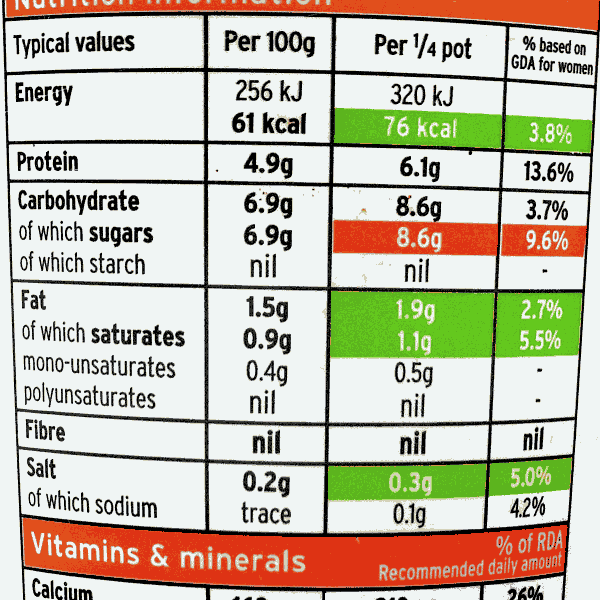
Nutrition labels provide valuable information about the contents of a product, including the amount of calories, fats, sugars, and other nutrients it contains. By reading and understanding these labels, you can make healthier choices for your children and ensure they are getting the nutrients they need to thrive.
Key Things to Look for on Nutrition Labels
Serving Size
One of the most important things to look for on a nutrition label is the serving size. This will tell you how much of the product is considered one serving. Be sure to compare this to how much your child typically eats to ensure they are getting the right amount of nutrients.
Calories
Next, look at the number of calories per serving. This will give you an idea of how much energy the snack will provide. Keep in mind that young children may need fewer calories than adults, so adjust portions accordingly.
Fats
It’s important to pay attention to the types of fats in a snack. Look for products that are low in saturated and trans fats, as these can have negative effects on heart health. Opt for snacks that are higher in unsaturated fats, such as those found in nuts and seeds.
Sugars
Many kids’ snacks are packed with added sugars, which can contribute to unhealthy weight gain and tooth decay. Look for snacks that are lower in added sugars and higher in natural sugars, such as those found in fruits.
Protein
Protein is essential for growing children, as it helps build and repair muscle tissue. Look for snacks that are higher in protein to help keep your child feeling full and satisfied between meals.
Tips for Choosing Healthy Snacks
Opt for Whole Foods
When possible, choose snacks that are made from whole, minimally processed ingredients. This will help ensure that your child is getting the most nutrients possible.
Limit Added Sugars
Avoid snacks that are high in added sugars, such as candy and sugary drinks. Instead, opt for snacks that are naturally sweetened with fruits or honey.
Include a Variety of Nutrients
Try to choose snacks that include a mix of nutrients, such as protein, fiber, and vitamins. This will help ensure that your child is getting a well-rounded snack that will keep them energized.
Conclusion
Understanding nutrition labels for kids’ snacks is essential for making informed decisions about the food you give your children. By paying attention to serving sizes, calories, fats, sugars, and other nutrients, you can ensure that your child is getting the fuel they need to thrive. Make sure to choose snacks that are made from whole, minimally processed ingredients and limit added sugars to keep your child healthy and happy.