
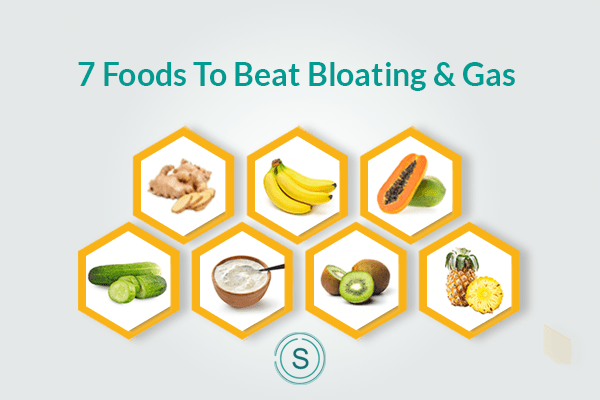
How Diet Affects Bloating and Gas
Have you ever experienced the discomfort of bloating and gas after a meal? Many people suffer from these symptoms, and they can be quite bothersome. One of the main culprits behind bloating and gas is our diet. The food we eat plays a significant role in how our digestive system functions and how we feel after eating.
High-Fiber Foods
Foods that are high in fiber, such as fruits, vegetables, and whole grains, are essential for our overall health. However, consuming too much fiber at once can lead to bloating and gas. This is because fiber is not easily digested by the body and can ferment in the gut, producing gas as a byproduct. To prevent bloating, it is essential to incorporate high-fiber foods into your diet gradually and drink plenty of water to aid digestion.
Dairy Products
Dairy products, such as milk, cheese, and yogurt, contain lactose, a sugar that many people have difficulty digesting. If you are lactose intolerant, consuming dairy products can lead to bloating, gas, and other digestive issues. To prevent these symptoms, you can opt for lactose-free dairy products or explore dairy alternatives, such as almond milk or coconut yogurt.
Fatty Foods
Fatty foods, such as fried foods, processed meats, and rich desserts, are delicious but can also contribute to bloating and gas. These foods take longer to digest and can sit in the stomach for an extended period, leading to discomfort and bloating. To avoid these symptoms, it is essential to limit your intake of fatty foods and opt for healthier alternatives, such as baked or grilled options.
Sugar and Artificial Sweeteners
Sugar and artificial sweeteners can also wreak havoc on your digestive system and lead to bloating and gas. Consuming too much sugar can feed harmful bacteria in the gut, leading to an imbalance in the microbiome and digestive issues. Artificial sweeteners, such as sorbitol and xylitol, are known to cause gas and bloating in some individuals. To prevent these symptoms, try to limit your intake of sugar and opt for natural sweeteners, such as honey or maple syrup.
Carbonated Beverages
Carbonated beverages, such as soda and sparkling water, can also contribute to bloating and gas. These drinks contain carbon dioxide, a gas that can build up in the digestive system and cause discomfort. To prevent bloating, it is best to limit your intake of carbonated beverages and opt for still water or herbal teas instead.
Conclusion
In conclusion, our diet plays a significant role in how our digestive system functions and how we feel after eating. To prevent bloating and gas, it is essential to be mindful of the foods you consume and their impact on your body. By incorporating high-fiber foods gradually, limiting fatty and sugary foods, and avoiding carbonated beverages, you can reduce your risk of experiencing bloating and gas. Remember, everyone’s digestive system is unique, so it may take some trial and error to find the right balance for you.