How to Build a Balanced Meal for Children
When it comes to ensuring your child is getting all the nutrients they need to grow and thrive, providing a balanced meal is key. A balanced meal consists of a variety of foods that provide a good mix of macronutrients and micronutrients. Here are some tips on how to build a balanced meal for children.
Include a Variety of Food Groups
One of the most important aspects of a balanced meal is including a variety of food groups. This ensures that your child is getting a wide range of nutrients. The main food groups to include in a balanced meal are:
Vegetables
Fruits
Protein (such as lean meats, poultry, fish, eggs, dairy, and plant-based sources like beans and tofu)
Grains (preferably whole grains)
Dairy or dairy alternatives
Focus on Nutrient-Dense Foods
When planning a balanced meal for your child, it’s important to choose nutrient-dense foods. These are foods that are high in nutrients but relatively low in calories. Some examples of nutrient-dense foods include:
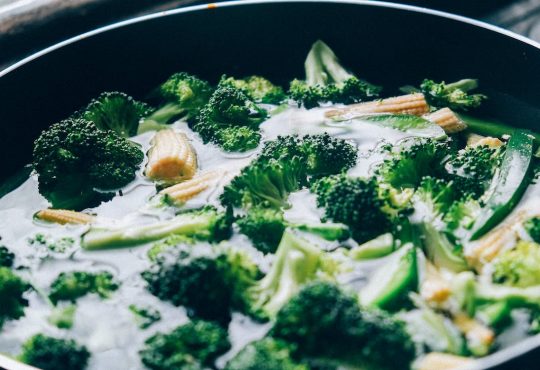
Vegetables like broccoli, spinach, carrots, and sweet potatoes
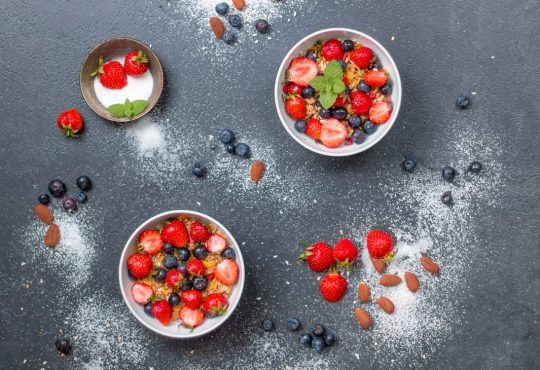
Fruits like berries, oranges, apples, and bananas
Lean proteins like chicken, fish, tofu, and lentils
Whole grains like brown rice, quinoa, whole wheat bread, and oats
Dairy or dairy alternatives like milk, yogurt, and cheese
Monitor Portion Sizes
Another important aspect of building a balanced meal for children is monitoring portion sizes. It’s easy for kids to overeat or undereat if portion sizes are not controlled. Use serving sizes as a guide when planning meals and snacks for your child. The following are general guidelines for portion sizes:
1 cup of vegetables
1 cup of fruits
3-4 ounces of protein
1-2 ounces of grains
1 cup of dairy or dairy alternative
Limit Added Sugars and Processed Foods
When building a balanced meal for your child, it’s important to limit added sugars and processed foods. These foods can provide empty calories and not much nutritional value. Instead, focus on whole, natural foods that are minimally processed. Examples of foods to limit or avoid include:
Sugary drinks like soda and fruit juice
Candy and sweets
Processed snacks like chips and cookies
Fast food and takeout meals
Involve Your Child in Meal Planning
One way to ensure that your child is getting a balanced meal is to involve them in the meal planning process. Encourage your child to help choose which fruits and vegetables to include in meals, or let them pick out a new healthy recipe to try. By involving your child in the decision-making process, they are more likely to enjoy the meal and be more willing to try new foods.
By following these tips, you can build a balanced meal that provides your child with the nutrients they need to grow and thrive. Remember to include a variety of food groups, focus on nutrient-dense foods, monitor portion sizes, limit added sugars and processed foods, and involve your child in the meal planning process. With a little effort and planning, you can ensure that your child is eating a nutritious and balanced diet.