
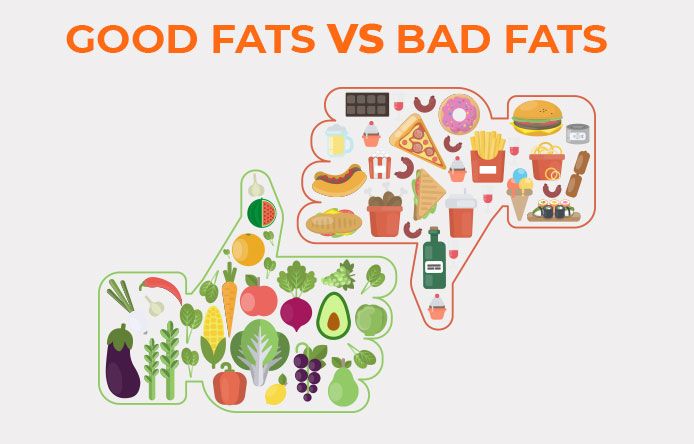
Are All Fats Bad? Understanding Good vs Bad Fats
In today’s society, fats have gained a notorious reputation as being unhealthy and something to be avoided at all costs. However, not all fats are created equal. In fact, fats are an essential part of a healthy diet and play a crucial role in maintaining overall health. It’s important to understand the differences between good fats and bad fats in order to make informed decisions about your dietary choices.
What are Fats?
Fats are one of the three macronutrients that our bodies need to function properly, along with carbohydrates and proteins. Fats are essential for the absorption of certain vitamins, the production of hormones, and providing a source of energy. Fats also play a key role in brain function and cell membrane structure.
Good Fats vs Bad Fats
Good fats, also known as unsaturated fats, are fats that are found in plant-based foods and fatty fish. These fats are beneficial for heart health and can help lower cholesterol levels. Good fats include monounsaturated fats and polyunsaturated fats, such as omega-3 and omega-6 fatty acids.
Bad fats, on the other hand, are known as saturated fats and trans fats. Saturated fats are typically found in animal-based foods and can raise cholesterol levels, increasing the risk of heart disease. Trans fats are artificially created fats that are commonly found in processed foods, such as baked goods and fried foods. Trans fats are the most harmful fats and should be avoided as much as possible.
Health Benefits of Good Fats
Good fats have numerous health benefits, including reducing inflammation, improving heart health, and supporting brain function. Monounsaturated fats, found in foods like avocados and olive oil, are known to improve cholesterol levels and reduce the risk of heart disease. Polyunsaturated fats, such as omega-3 fatty acids found in fatty fish like salmon, have been shown to reduce inflammation and lower the risk of chronic diseases like heart disease and diabetes.
How to Incorporate Good Fats into Your Diet
There are many simple ways to incorporate good fats into your diet. Some examples include:
Adding avocado slices to your salads or sandwiches
Cooking with olive oil instead of butter
Eating fatty fish like salmon, mackerel, or sardines at least twice a week
Snacking on nuts and seeds
Using nut butters, such as almond or peanut butter, as a spread
Not all fats are bad for you. In fact, good fats are essential for overall health and well-being. By understanding the differences between good fats and bad fats and incorporating more good fats into your diet, you can improve your heart health, reduce inflammation, and support brain function. So next time you hear someone say that all fats are bad, remember that good fats are an important part of a healthy diet.