Prebiotics vs Probiotics: Whatв’s the Difference?
When it comes to maintaining a healthy gut, you’ve probably heard a lot about prebiotics and probiotics. But what exactly are they, and what sets them apart? Let’s dive into the world of gut health and explore the key differences between prebiotics and probiotics.
What are Prebiotics?
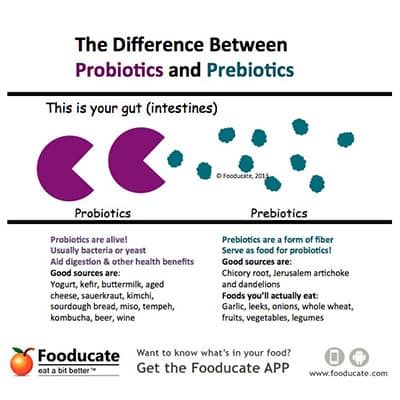
Prebiotics are non-digestible fibers that serve as food for the beneficial bacteria in your gut. These fibers pass through the digestive system undigested and reach the colon, where they are fermented by the gut bacteria. This fermentation process produces short-chain fatty acids, which provide numerous health benefits, including improved digestion and a stronger immune system.
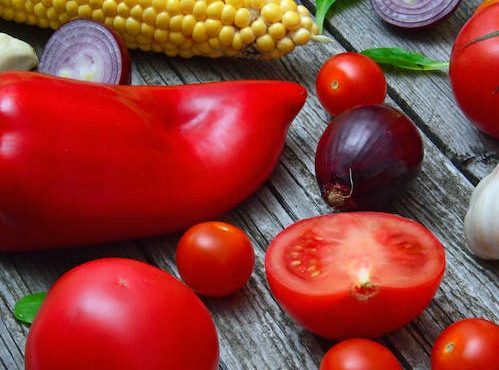
Common sources of prebiotics include fruits, vegetables, whole grains, and legumes. Some examples of prebiotic-rich foods include bananas, onions, garlic, leeks, and asparagus.
What are Probiotics?
Probiotics, on the other hand, are live bacteria and yeasts that provide specific health benefits when consumed in adequate amounts. These beneficial microorganisms can help restore the natural balance of your gut flora, support digestion, and boost your overall immune function.
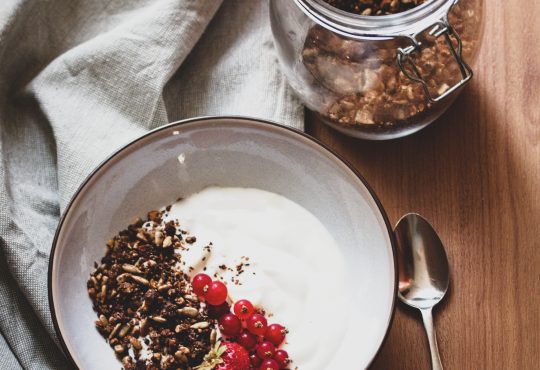
You can find probiotics in fermented foods like yogurt, kefir, sauerkraut, kimchi, and miso. Probiotic supplements are also available in various forms, such as capsules, powders, and liquid extracts.
The Key Differences
While prebiotics and probiotics both play a crucial role in promoting gut health, there are some key differences between the two:
Source
Prebiotics are naturally present in certain foods, while probiotics are live microorganisms that can be found in fermented foods or supplements.
Function
Prebiotics serve as food for the beneficial gut bacteria, helping them thrive and multiply. Probiotics, on the other hand, directly contribute to the population of beneficial bacteria in your gut.
Survivability
Prebiotics are not affected by heat, cold, or acid, so they can withstand various cooking and storage processes. Probiotics, however, are sensitive to heat, light, and stomach acids, which can affect their viability.
Complementary Relationship
Prebiotics and probiotics work hand in hand to support a healthy gut environment. Prebiotics provide the fuel for probiotics to thrive and exert their beneficial effects. By consuming a balanced diet rich in both prebiotic and probiotic foods, you can promote the diversity and resilience of your gut microbiota.
Remember, a diverse gut microbiome is essential for overall health and well-being. Incorporating a variety of prebiotic and probiotic foods into your diet can help maintain a harmonious balance of beneficial bacteria in your gut.
Conclusion
Prebiotics and probiotics are essential components of a healthy gut microbiome. While prebiotics provide the fuel for beneficial gut bacteria, probiotics directly contribute to the population of these beneficial microorganisms. By incorporating both prebiotic and probiotic-rich foods into your diet, you can support the diversity and resilience of your gut flora, leading to improved digestion, immunity, and overall well-being.
Remember to consult with a healthcare professional before making any significant changes to your diet or supplementation routine. Here’s to a happy and healthy gut!