Whole Food Plant-Based vs Vegan: Whats Right for You?
In recent years, the terms “whole food plant-based” and “vegan” have become increasingly popular as more people adopt plant-based diets for health, ethical, and environmental reasons. While these two diets may seem similar at first glance, there are some key differences between them that may impact your decision on which one is right for you. In this article, we will explore the distinctions between whole food plant-based and vegan diets to help you make an informed choice.
What is a Whole Food Plant-Based Diet?
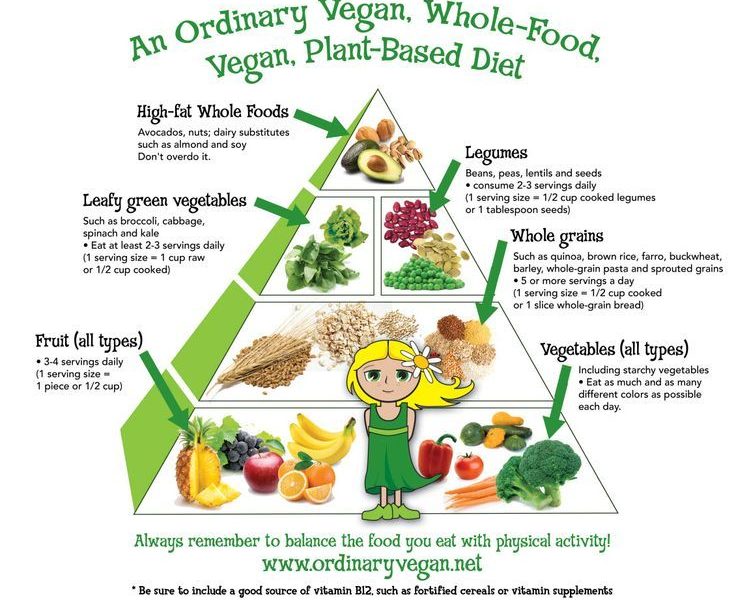
A whole food plant-based diet focuses on consuming whole, minimally processed plant foods such as fruits, vegetables, whole grains, legumes, nuts, and seeds. This diet emphasizes the importance of eating foods in their natural state to maximize their nutritional value and health benefits. Whole food plant-based diets typically exclude or minimize the consumption of processed foods, added sugars, refined grains, and oils.
Benefits of a Whole Food Plant-Based Diet
– Rich in essential nutrients: Whole plant foods are packed with vitamins, minerals, antioxidants, and fiber that are essential for overall health and well-being.
– Lower risk of chronic diseases: Research has shown that a plant-based diet can reduce the risk of heart disease, diabetes, obesity, and certain types of cancer.
– Sustainable and environmentally friendly: Plant-based diets have a lower carbon footprint and require fewer resources compared to animal-based diets.
What is a Vegan Diet?
A vegan diet excludes all animal products, including meat, dairy, eggs, and honey. While veganism is often associated with ethical and environmental concerns related to animal welfare, it is also a dietary choice that can promote health and well-being. Unlike whole food plant-based diets, vegan diets may include processed plant-based foods such as vegan meats, cheeses, and desserts that may not always be considered healthy.
Benefits of a Vegan Diet
– Cruelty-free: Vegans choose this lifestyle to avoid contributing to animal exploitation and cruelty.
– Environmental impact: By avoiding animal products, vegans reduce their carbon footprint and help combat climate change.
– Health benefits: Studies have shown that a well-planned vegan diet can lower the risk of heart disease, diabetes, and certain cancers.
Choosing the Right Diet for You
When deciding between a whole food plant-based and vegan diet, consider your personal health goals, ethical beliefs, and lifestyle preferences. If you prioritize consuming whole, minimally processed foods for optimal health and nutrition, a whole food plant-based diet may be the best choice for you. On the other hand, if you are more concerned about animal welfare and environmental sustainability, a vegan diet may align better with your values.
Combining the Best of Both Worlds
It is possible to incorporate elements of both whole food plant-based and vegan diets into your lifestyle. By focusing on whole plant foods and minimizing processed foods while excluding animal products, you can enjoy the health benefits of a whole food plant-based diet while still supporting animal welfare and environmental sustainability.
Conclusion
Ultimately, the decision to follow a whole food plant-based or vegan diet is a personal one that should be based on individual preferences, values, and health goals. Both diets offer numerous benefits for overall health, the environment, and animal welfare. Whether you choose to go whole food plant-based, vegan, or a combination of both, making conscious dietary choices can have a positive impact on your health and the world around you.